Useful links
Home Local Egyptian Cuisine Ancient Egyptian Hieroglyphs Modern Cairo Landmarks Ramadan in Egypt
Home Local Egyptian Cuisine Ancient Egyptian Hieroglyphs Modern Cairo Landmarks Ramadan in Egypt
Category : | Sub Category : Posted on 2023-10-30 21:24:53
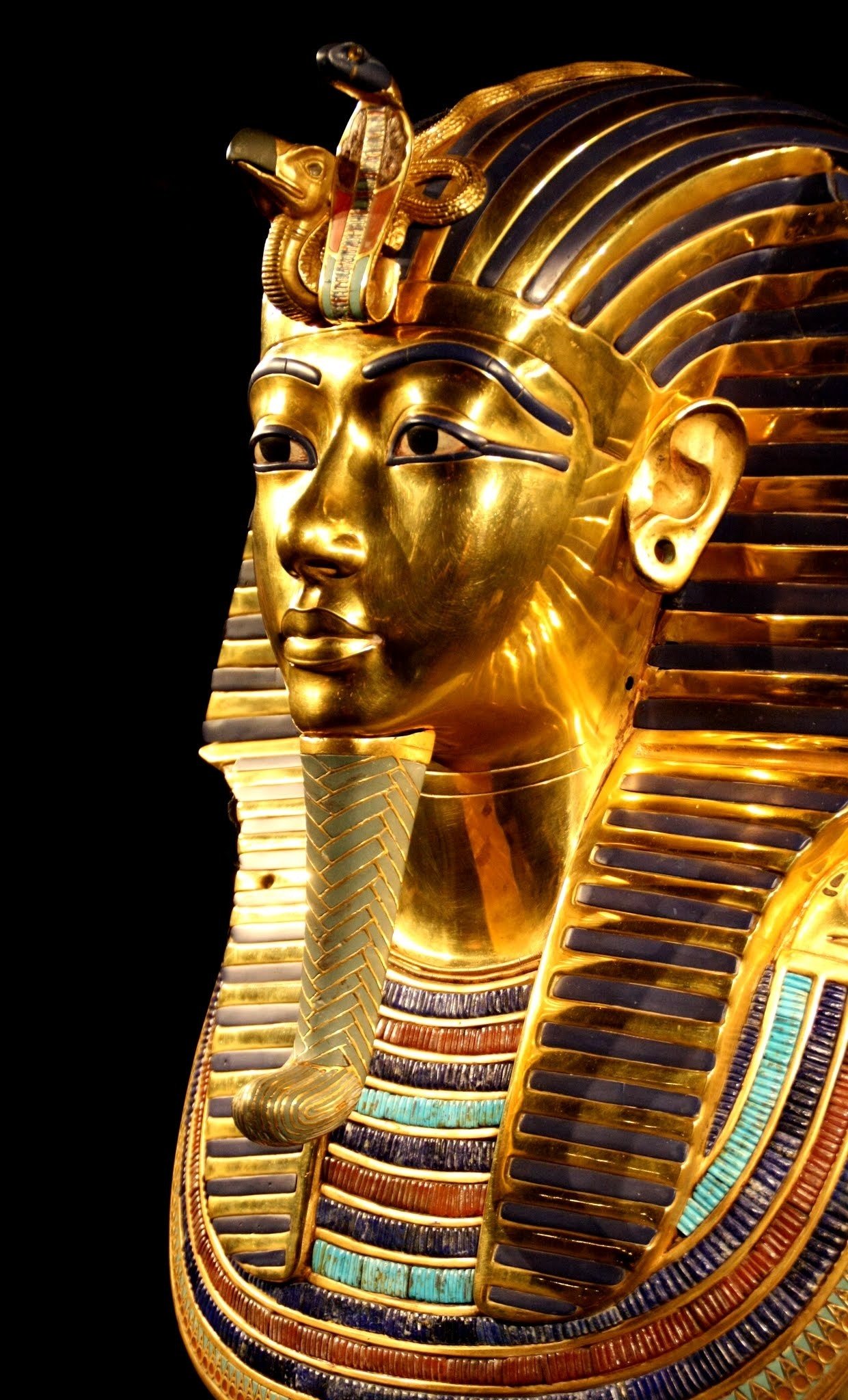
Introduction: Deep in the annals of ancient Egypt, a civilization revered for its enigmatic legends and mystical symbolism, lies a fascinating connection between music and hieroglyphs. Beyond the grandeur of the pyramids and the pharaohs' tombs, the ancient Egyptians left behind clues that hint at a rich musical heritage encoded within their intricate system of hieroglyphic writing. In this blog post, we peel back the layers of time to explore the captivating relationship between music and ancient Egyptian hieroglyphs, shedding light on the melodies and rhythms that were once an integral part of their culture. 1. The Language of Symbols: Hieroglyphs, the ancient Egyptian writing system, incorporated a vast array of symbols that represented words, sounds, and even whole concepts. The beauty of hieroglyphs lay in their ability to convey nuanced meanings through a combination of pictorial symbols. Among these symbols were representations of musical instruments, dancers, and singers - a clear indication of the importance of music in ancient Egyptian society. 2. Musical Instruments in Hieroglyphs: When examining hieroglyphs related to music, particularly those depicting musical instruments, we get a glimpse into the diverse soundscape of ancient Egypt. Instruments such as harps, lyres, flutes, drums, and even trumpets were frequently portrayed. Hieroglyphs often depicted the instruments being played, offering clues about the techniques and styles employed by ancient Egyptian musicians. 3. The Role of Musicians: Ancient Egyptian hieroglyphs not only captured the instruments themselves but also the role of musicians in their society. From courtly ensembles to temple rituals, hieroglyphs illustrated the important role of musicians in various ceremonies and events. They were often depicted accompanying dancers, singers, or as standalone players, intertwining their melodies with the vast tapestry of Egyptian life. 4. Sacred Chants and Hymns: Hieroglyphs also provided glimpses of the captivating vocal traditions of ancient Egypt. Inscriptions found in the tombs of pharaohs and nobles included hymns and prayers, sometimes accompanied by musical notations, emphasizing the religious and spiritual significance of music in their culture. These chants and hymns shed light on the tonal and rhythmic patterns employed by ancient Egyptian singers. 5. The Quest for Ancient Egyptian Music: While the hieroglyphs provide valuable insights into the musical traditions of ancient Egypt, unraveling the exact melodies and rhythms has proven challenging. Despite the absence of sheet music or recordings, scholars and musicians have embarked on a quest to recreate ancient Egyptian music. By studying surviving artifacts, such as the famous "Karnak Temple Hymn" inscribed on the walls of the Temple of Amun, and using reconstructions of ancient instruments, they have strived to resurrect the sounds of this bygone era. Conclusion: Ancient Egyptian hieroglyphs have opened a window into the significant role music played in their society. By examining the symbols representing musical instruments, musicians, and vocal traditions, we can better understand the melodies and rhythms that once filled the air in the temples, palaces, and homes of ancient Egypt. Although the exact details of their musical compositions may remain a mystery, the enduring legacy of this ancient civilization lives on through the transcendent power of music. For more information: http://www.borntoresist.com visit: http://www.svop.org You can find more about this subject in http://www.qqhbo.com To gain a holistic understanding, refer to http://www.albumd.com Check the link: http://www.mimidate.com For comprehensive coverage, check out http://www.egyptwn.com Here is the following website to check: http://www.keralachessyoutubers.com Looking for more information? Check out http://www.cotidiano.org


