Useful links
Home Local Egyptian Cuisine Ancient Egyptian Hieroglyphs Modern Cairo Landmarks Ramadan in Egypt
Home Local Egyptian Cuisine Ancient Egyptian Hieroglyphs Modern Cairo Landmarks Ramadan in Egypt
Category : | Sub Category : Posted on 2023-10-30 21:24:53
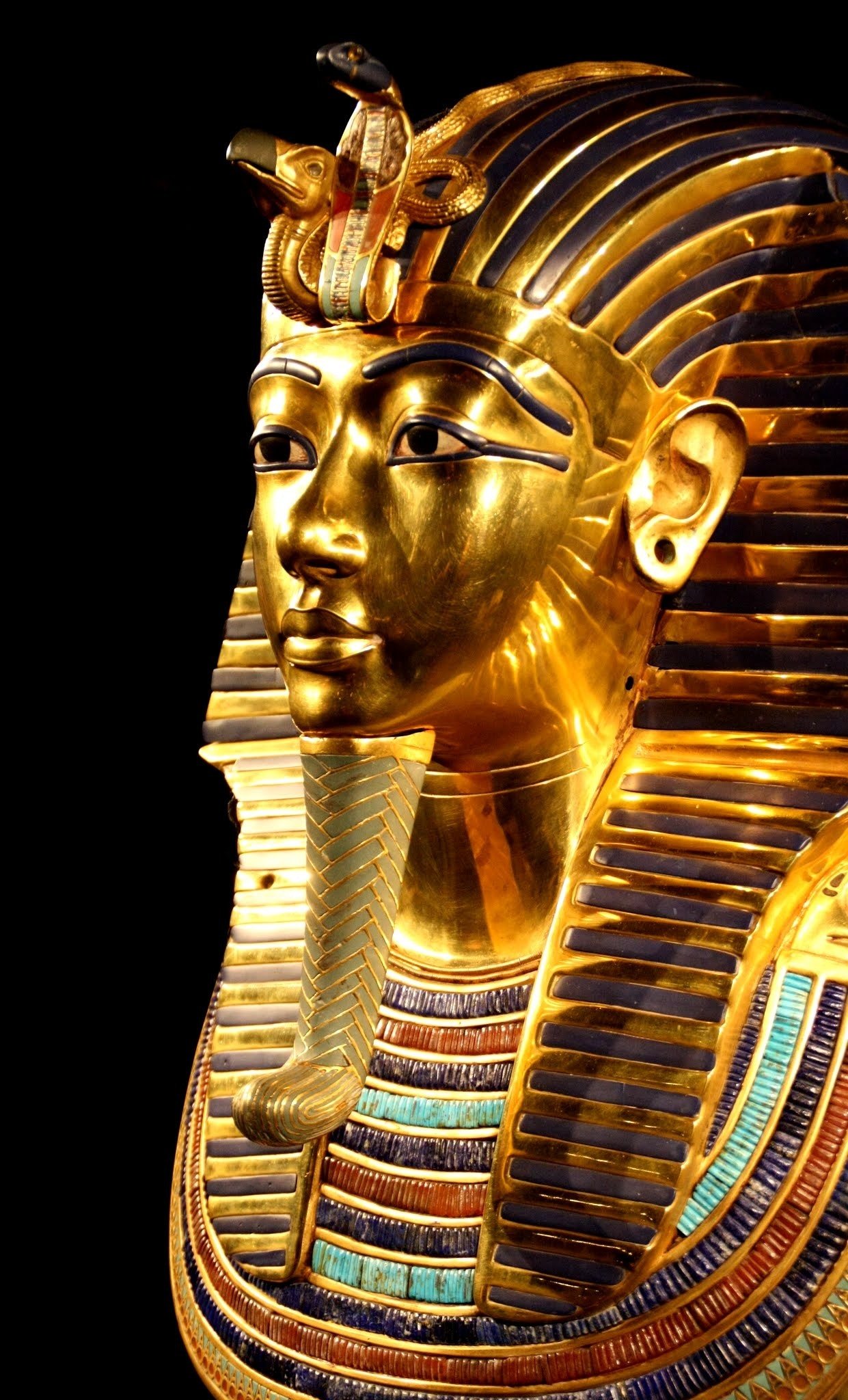
Introduction: Medicine has always played a crucial role in human history, and one fascinating chapter in this narrative unfolds in the ancient land of Egypt. The ancient Egyptians, known for their advanced civilization, left behind a remarkable written record of their medical practices in the form of hieroglyphs. In this blog post, we will delve into the world of ancient Egyptian medicine, exploring how their hieroglyphic inscriptions reveal insights into their methods, beliefs, and understanding of the human body. 1. The Origins of Ancient Egyptian Medicine: Ancient Egyptian medicine dates back thousands of years, with its roots stemming from a blend of religious, magical, and empirical beliefs. Egyptian physicians, called "swnw," were highly respected and often held prestigious positions within society. Their knowledge of medicine was inextricably linked with their religious and spiritual beliefs, which heavily influenced their approach to healing. 2. Decoding the Hieroglyphic Inscriptions: Hieroglyphs were the ancient Egyptian writing system, consisting of pictorial symbols that represented words and concepts. These inscriptions can be found on temple walls, tombs, and papyrus scrolls, giving us invaluable insights into the medical practices of the time. By deciphering these hieroglyphs, scholars have unveiled a treasure trove of medical knowledge. 3. Natural Remedies and Herbal Medicine: Ancient Egyptian medicine relied heavily on the use of natural remedies, with a focus on the healing properties of plants and herbs. Hieroglyphs reveal the use of various medicinal plants, such as aloe vera, castor oil, and garlic. The importance of maintaining a balance between the body and the natural world is also reflected in these ancient texts. 4. Surgical Practices and Diagnostic Techniques: Ancient Egyptian hieroglyphs offer glimpses into surgical practices and diagnostic techniques employed by their medical practitioners. Evidence of surgeries, including amputations and trepanation (drilling holes in the skull), can be found in the hieroglyphic inscriptions. Additionally, the understanding of anatomical details such as the circulatory system and the brain is evident in their medical writings. 5. Magical Beliefs and Healing Rituals: For the ancient Egyptians, magic and medicine were closely intertwined. Hieroglyphic inscriptions depict rituals and spells used to invoke the help of deities, such as Sekhmet (goddess of healing) and Thoth (god of wisdom and medicine). These beliefs highlight the spiritual approach to medicine and the belief in supernatural or divine intervention for healing. Conclusion: The ancient Egyptians, through their hieroglyphic inscriptions, have left an indelible mark on the history of medicine. Their knowledge and practices, influenced by a blend of empirical observations, religious beliefs, and mystical rituals, offer a fascinating glimpse into the development of ancient medical practices. It is through studying and decoding the hieroglyphs that we have gained a deeper understanding of the wisdom of ancient Egyptian medicine, showcasing their innovative techniques and philosophical approach to healing. also visit the following website http://www.doctorregister.com Curious to learn more? Click on http://www.tinyfed.com For a deeper dive, visit: http://www.natclar.com To get a better understanding, go through http://www.egyptwn.com


