Useful links
Home Local Egyptian Cuisine Ancient Egyptian Hieroglyphs Modern Cairo Landmarks Ramadan in Egypt
Home Local Egyptian Cuisine Ancient Egyptian Hieroglyphs Modern Cairo Landmarks Ramadan in Egypt
Category : | Sub Category : Posted on 2023-10-30 21:24:53
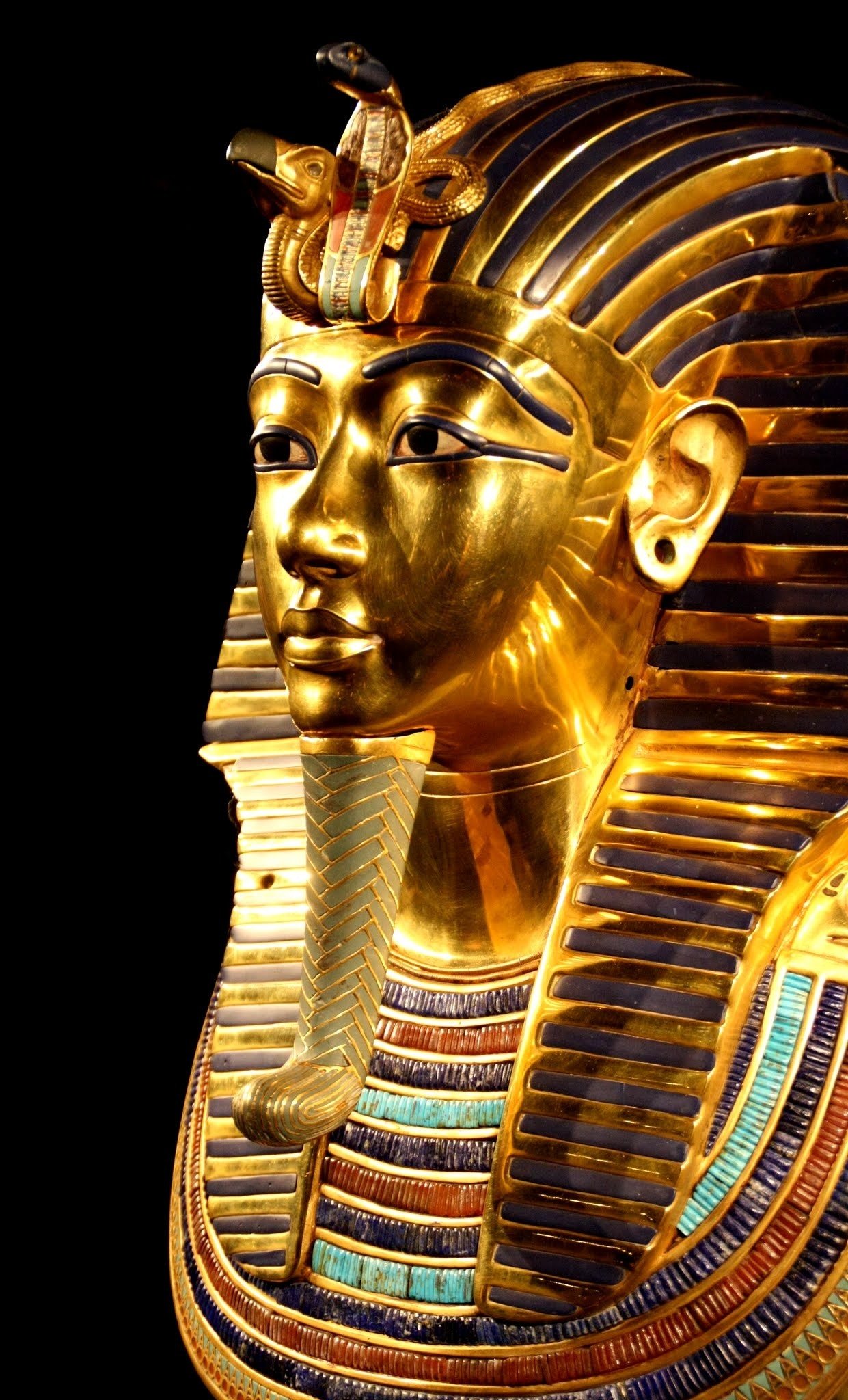
Introduction: The ancient civilization of Egypt has long fascinated historians and archaeologists alike, with its grand pyramids, pharaohs, and intriguing art. Amidst the exploration of their architectural marvels and royal tombs, another intriguing facet of Egyptian history often goes unnoticed - the culinary preferences of the pharaohs. In this article, we delve into the meat-based cuisine of Egyptian pharaohs, shedding light on their culinary practices and providing a glimpse into their extravagant meals. 1. The Role of Meat in Ancient Egyptian Cuisine: Meat played a significant role in the diet of ancient Egyptians, and the pharaohs were no exception. With access to abundant fertile land along the Nile River, Egyptians had ample resources for raising livestock and hunting game. Meat, therefore, became a symbol of wealth, power, and prosperity. Different types of meat, such as beef, pork, mutton, and fowl, were consumed, albeit with varying frequency and accessibility. 2. Hunting: A Royal Sport and a Source of Glorious Feasts: Hunting was not just a recreational activity for the pharaohs but also an essential means of procuring meat. In their pursuit of game, pharaohs often ventured into the wilderness, accompanied by a retinue of attendants. The thrill of the chase culminated in lavish feasts, where freshly hunted meat became the centerpiece. Game animals, including wild boars, gazelles, oryx, and birds, would be roasted, grilled, or braised to perfection, creating a culinary experience fit for royalty. 3. Offerings to the Deceased: Meat in Funerary Practices: It is well-known that ancient Egyptians held elaborate funerary rituals and believed in the afterlife. In order to ensure the well-being of deceased pharaohs in the afterlife, a substantial amount of meat was offered in their tombs. These offerings, often depicted in detailed wall paintings and hieroglyphics, showcased the abundance of beef, poultry, and fish accompanying the pharaohs to the next world. 4. Preservation and Preparation Techniques: Prior to the discovery of refrigeration, ancient Egyptians relied on various preservation techniques to ensure a steady supply of meat. Salting, drying, smoking, and curing were the primary methods employed. These techniques not only preserved the meat's freshness but also enhanced its flavor. The preserved meat would then be cooked using methods such as grilling, boiling, or baking, to create sumptuous dishes enjoyed by the pharaohs and their court. 5. Meat in Royalty and Everyday Life: While lavish feasts and an abundance of meat were synonymous with the pharaohs, the general population had a more modest meat consumption. Beef, being both expensive and rare, was primarily reserved for the royal tables. On the other hand, fish, poultry, and smaller game were more widely accessible to the commoners, forming an integral part of their daily meals. Conclusion: The meat-based cuisine of Egyptian pharaohs not only provided nourishment but also served as a symbol of affluence and power. Through their hunting expeditions, extravagant feasts, and elaborate funerary practices, the pharaohs left behind a culinary legacy that reflects their opulence and reverence for meat. Today, we can glimpse into this bygone era through the remnants of ancient recipes and the depictions found in the tombs, offering us a tantalizing glimpse into the sumptuous food enjoyed by the ancient Egyptian rulers. visit: http://www.meatmob.com For a different angle, consider what the following has to say. http://www.egyptwn.com


