Useful links
Home Local Egyptian Cuisine Ancient Egyptian Hieroglyphs Modern Cairo Landmarks Ramadan in Egypt
Home Local Egyptian Cuisine Ancient Egyptian Hieroglyphs Modern Cairo Landmarks Ramadan in Egypt
Category : | Sub Category : Posted on 2023-10-30 21:24:53
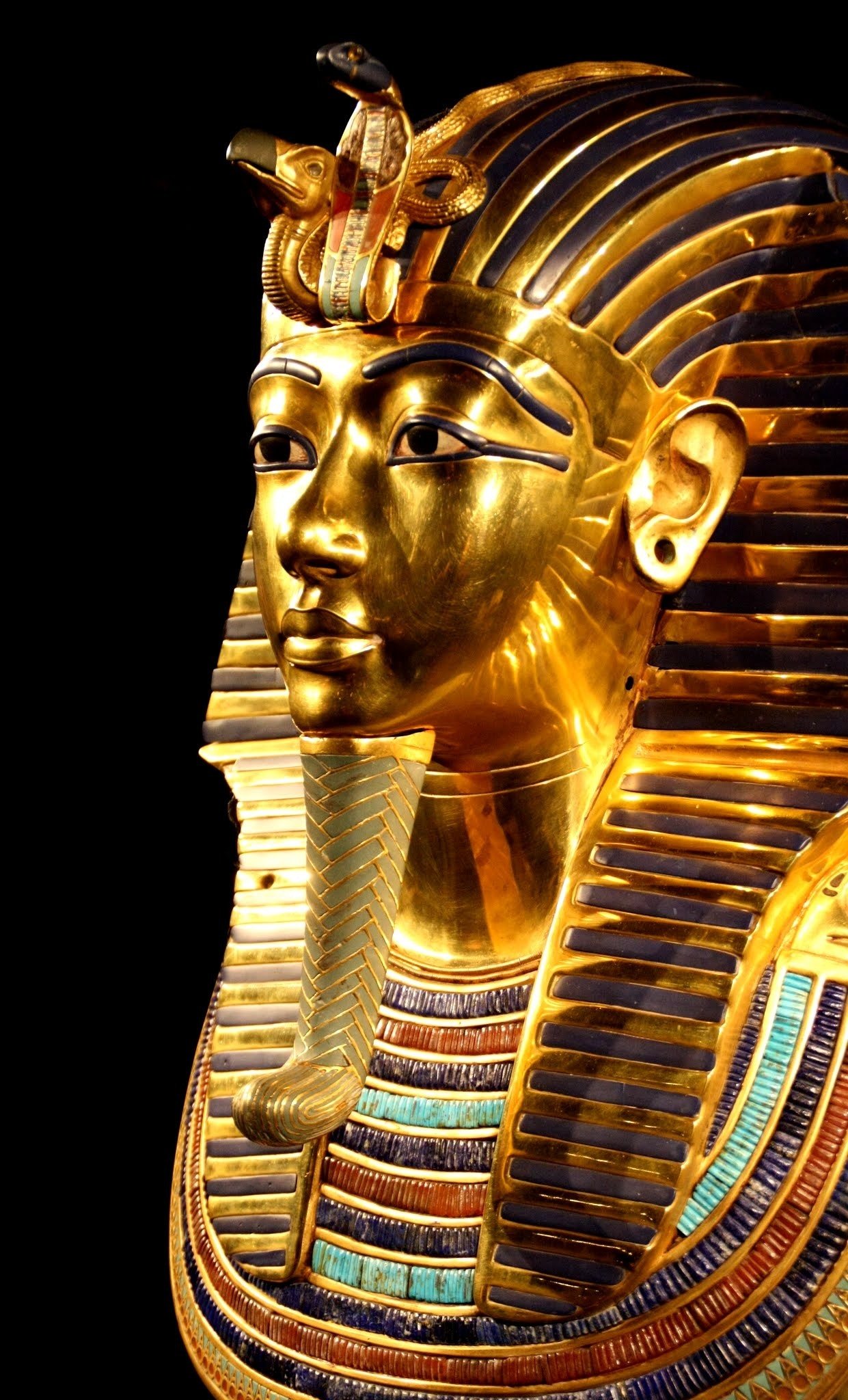
Introduction: Ancient Egypt, one of the world's oldest civilizations, is known for its fascinating culture, impressive architectural wonders, and rich history. Among the many mysteries and treasures the ancient Egyptians left behind, the intricate system of writing known as hieroglyphs stands out as one of the most awe-inspiring. In this blog post, we will delve into the world of these enigmatic symbols, explore their significance, and uncover the secrets they hold. The Origins of Hieroglyphs: The word "hieroglyph" originates from the Greek words "hieros" (sacred) and "glyphein" (to carve). Hieroglyphic writing emerged around 3200 BCE and remained the predominant form of written communication in ancient Egypt for over three thousand years. It was used to record religious texts, historical events, and everyday life. The Complexity and Symbolism of Hieroglyphs: Hieroglyphs were a complex system that combined logographic, phonetic, and ideographic elements. They are pictorial representations that include symbols representing various objects, animals, plants, and abstract concepts. For example, the image of a seated figure represents the word "sitting," and a bird might symbolize the word "flight." Hieroglyphs could be written in any direction and could even be arranged in columns or rows, depending on the context. The Role of Scribes and Educated Elite: Hieroglyphic writing was not commonly understood by the general population. It was a skill reserved for scribes and the educated elite of ancient Egyptian society. Aspiring scribes underwent extensive training, learning to read, write, and correctly use hieroglyphs. Their duties included not only transcribing religious and historical texts but also maintaining accurate records of the pharaoh's reign and managing bureaucratic procedures. Rosetta Stone: The Key to Deciphering Hieroglyphs: For centuries, hieroglyphs remained an unsolvable code until the discovery of the Rosetta Stone in 1799. The Rosetta Stone, inscribed with a decree issued on behalf of King Ptolemy V in 196 BCE, provided a means to finally decipher the ancient Egyptian hieroglyphic script. The stone contained three parallel inscriptions: one in Egyptian hieroglyphs, one in Egyptian Demotic script, and one in ancient Greek. The breakthrough in decipherment occurred when French scholar Jean-Franois Champollion successfully compared the Greek text to the Egyptian hieroglyphs, ultimately unlocking the secret language. His work revealed that hieroglyphs were a combination of ideograms, phonetic symbols, and determinatives signs that clarify the meaning of surrounding words. This discovery opened the floodgates for scholars and archeologists to delve deeper into the world of ancient Egyptian history. Rediscovering the Ancient Egyptian World: The decipherment of hieroglyphs allowed us to gain invaluable insights into the ancient Egyptian civilization. These writings unlocked a treasure trove of knowledge about their belief systems, rituals, and daily life. Through the hieroglyphs, we can understand the elaborate religious practices, the importance of the afterlife, and the complexities of their social structure. Conclusion: The ancient Egyptian hieroglyphs continue to fascinate scholars and archeologists today. They serve as a direct window into the past, allowing us to study and appreciate the rich cultural heritage of one of the most advanced civilizations of antiquity. By unlocking the secrets of hieroglyphs, we gain a deeper understanding of the ancient Egyptians' way of life, language, and beliefs, providing us with a profound connection to the distant past. If you are enthusiast, check the following link http://www.jetiify.com Uncover valuable insights in http://www.s6s.org also for more http://www.egyptwn.com


