Useful links
Home Local Egyptian Cuisine Ancient Egyptian Hieroglyphs Modern Cairo Landmarks Ramadan in Egypt
Home Local Egyptian Cuisine Ancient Egyptian Hieroglyphs Modern Cairo Landmarks Ramadan in Egypt
Category : | Sub Category : Posted on 2023-10-30 21:24:53
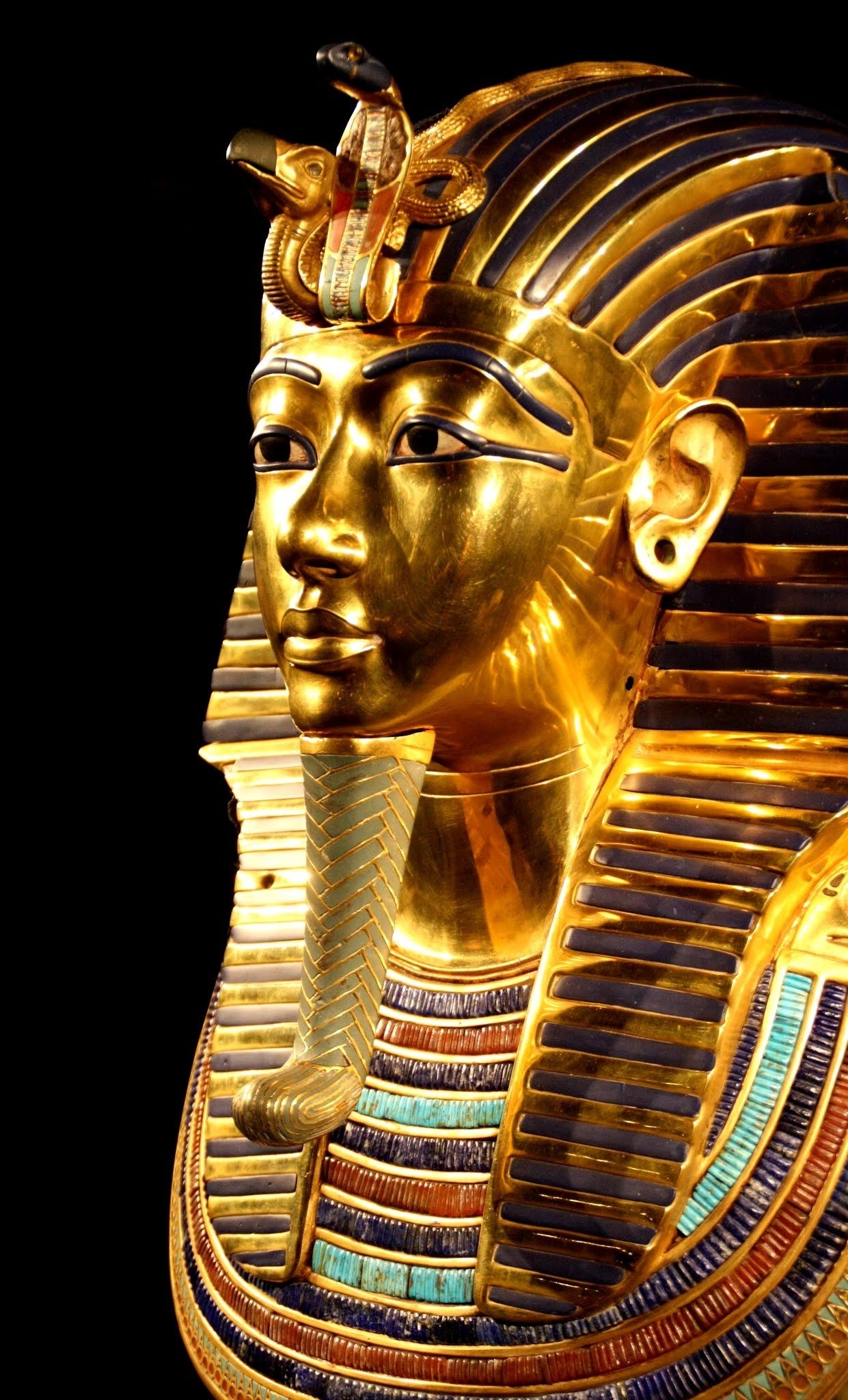
Introduction: Egyptian pharaohs hold a significant place in the annals of ancient history, captivating the world with their opulent lifestyles, powerful reigns, and enigmatic legacies. For centuries, these revered rulers played a pivotal role in shaping Egypt's cultural, political, and religious landscape. In this blog post, we will embark upon a captivating journey through time, unraveling the stories of Egypt's fabled pharaohs and shedding light on their enduring impact. 1. The Rise of Pharaohs: Dating back to around 3100 BCE, the title of pharaoh was first introduced during the Early Dynastic Period. The Pharaohs rose to power as the supreme rulers of ancient Egypt, asserting their divine authority and often affirming their ties to the gods through intricate religious ceremonies. 2. Divine Kingship: In Egyptian mythology, pharaohs were considered god-kings, serving as a bridge between the earthly realm and the divine. This notion of divine kingship intensified during the Old Kingdom, with the pharaohs adopting the role of Horus, the sky god. This divine connection bestowed upon the pharaoh immense power and reverence from their subjects. 3. Iconic Pharaohs: Throughout history, several pharaohs carved their names into the annals of Egyptian history. Tutankhamun, popularly known as King Tut, is perhaps one of the most well-known pharaohs, thanks to the discovery of his intact tomb in the early 20th century. Other notable pharaohs include Ramses II, Hatshepsut, Akhenaten, and Cleopatra. 4. Monuments and Legacy: The legacy of Egyptian pharaohs is synonymous with the iconic monuments and architectural marvels they left behind. From the grand pyramids of Giza to the sprawling temples of Luxor and the enchanting Valley of the Kings, these monumental structures stand as a testament to their immense power, wealth, and vision. 5. Religion and Burial Practices: Religion held a central position in ancient Egyptian society, and pharaohs played a crucial role in its practice. The pharaohs not only built magnificent temples but also oversaw religious rituals and, ultimately, their own funerary preparations. The tombs of the pharaohs were adorned with intricate paintings, hieroglyphs, and mummified remains, ensuring their eternal journey in the afterlife. 6. Decline of Pharaonic Power: The prominence of the pharaohs declined during the Late Period, as foreign powers, including the Persians, Greeks, and Romans, exerted their influence over Egypt. The reign of Cleopatra, the last pharaoh and a remarkable woman in her own right, marked the end of the pharaonic era. Conclusion: The history of Egyptian pharaohs is a captivating tale that spans thousands of years, from the rise of divine kingship to the decline of their power. These enigmatic rulers continue to captivate our imaginations, leaving an indelible mark on the world through their architectural achievements, religious practices, and enduring legacies. As we explore the remnants of their civilization today, we are reminded of the enduring power and influence of the pharaohs of ancient Egypt. For an in-depth analysis, I recommend reading http://www.egyptwn.com


