Useful links
Home Local Egyptian Cuisine Ancient Egyptian Hieroglyphs Modern Cairo Landmarks Ramadan in Egypt
Home Local Egyptian Cuisine Ancient Egyptian Hieroglyphs Modern Cairo Landmarks Ramadan in Egypt
Category : | Sub Category : Posted on 2024-09-07 22:25:23
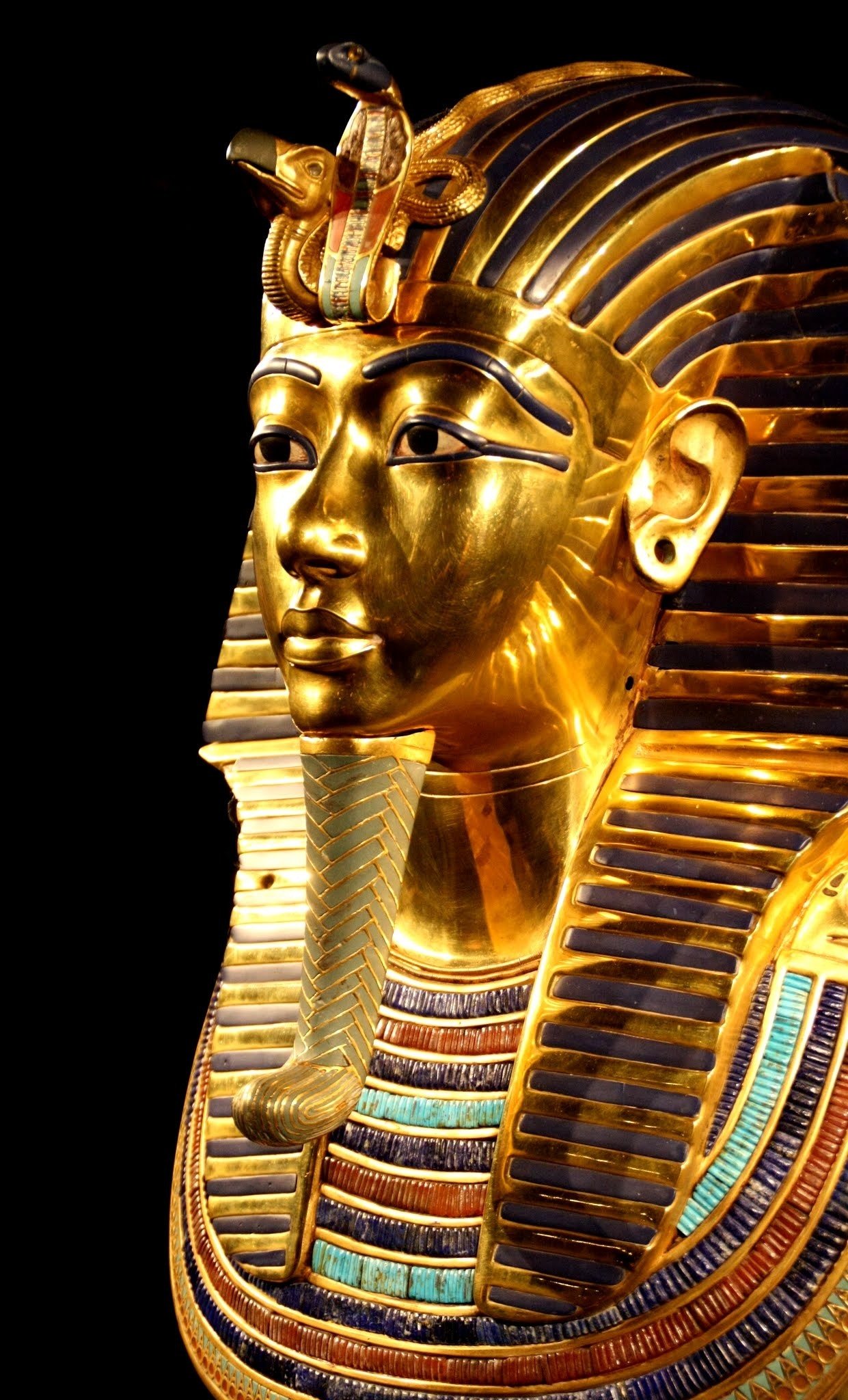
In recent years, computer vision technology has made tremendous advancements, revolutionizing various industries and applications. One fascinating area where computer vision is being utilized is in the preservation and study of cultural heritage sites, such as those found in Cairo, Egypt. Cairo, the capital city of Egypt, is home to a wealth of historical landmarks, including the iconic pyramids, temples, and tombs that date back to ancient times. These archaeological sites are not only a testament to Egypt's rich history and culture but also hold valuable insights into our past. By integrating computer vision technology into the study and preservation of these cultural heritage sites, researchers and archaeologists are able to gain a deeper understanding of the historical context, architecture, and artwork present at these locations. One of the key tools used in this process is a recorder, which captures high-resolution images and videos of the sites. The recorder, equipped with advanced computer vision algorithms, can analyze these visual data to create 3D reconstructions, detect patterns and anomalies, and even identify hidden or deteriorating elements that are not easily visible to the naked eye. This allows researchers to digitally preserve the sites in intricate detail and monitor any changes or damages over time. Furthermore, computer vision technology enables researchers to conduct remote inspections and explorations of the sites, reducing the need for physical interventions that could potentially harm the delicate structures. This not only enhances the efficiency of archaeological work but also minimizes the risks associated with on-site investigations. Moreover, the insights gained from the application of computer vision in cultural heritage preservation can provide valuable data for historical research, education, and public engagement. By creating interactive visualizations and immersive experiences, researchers can bring these ancient sites to life for a global audience, fostering a greater appreciation and understanding of Egypt's cultural heritage. In conclusion, the intersection of computer vision technology and cultural heritage preservation offers a promising avenue for unlocking the secrets of the past and safeguarding these invaluable treasures for future generations. As seen in the case of Cairo, Egypt, the use of recorders and other computer vision tools is transforming the way we study, conserve, and celebrate our shared history.
https://egyptwn.com


