Useful links
Home Local Egyptian Cuisine Ancient Egyptian Hieroglyphs Modern Cairo Landmarks Ramadan in Egypt
Home Local Egyptian Cuisine Ancient Egyptian Hieroglyphs Modern Cairo Landmarks Ramadan in Egypt
Category : | Sub Category : Posted on 2024-09-07 22:25:23
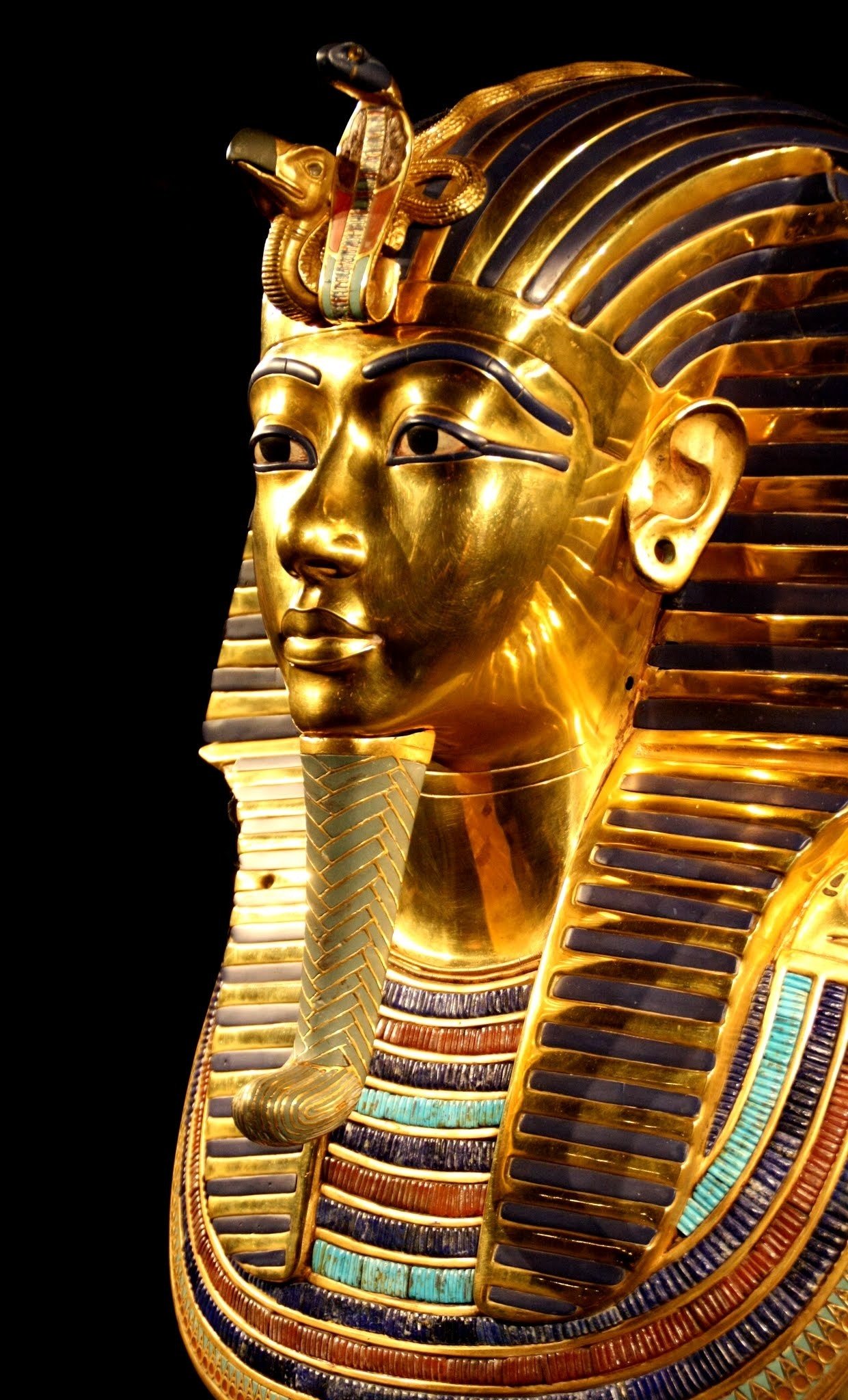
Cairo, the bustling capital of Egypt, is a vibrant city known for its rich history, diverse population, and unique cultural heritage. Its streets are filled with a myriad of sights, sounds, and flavors that reflect the harmonious blend of different cultures that have influenced the region over centuries. One intriguing way to capture and celebrate Cairo's cultural diversity is through the lens of Computer vision. Computer vision is a field of artificial intelligence that enables computers to interpret and understand the visual world, including images and videos. By utilizing computer vision technology, researchers and developers can analyze visual data to uncover fascinating insights about the cultural fabric of Cairo. From analyzing traditional architectural patterns and designs to identifying different ethnic cuisines and clothing styles, computer vision opens up a whole new world of possibilities for exploring and preserving the city's diverse cultural heritage. For example, researchers can use computer vision algorithms to automatically identify and classify different architectural styles present in Cairo, such as Islamic, Pharaonic, and European influences. By analyzing the intricate details of buildings, monuments, and landmarks, they can gain a deeper understanding of how these styles have interwoven to shape the city's unique visual identity. Furthermore, computer vision can also be employed to recognize and document the rich tapestry of cultural symbols and traditions that define Cairo's social fabric. Whether it's capturing the vibrant street art adorning neighborhood walls or cataloging the colorful patterns of traditional clothing worn during festive celebrations, computer vision algorithms can help create a visual repository of Cairo's cultural diversity. Moreover, by integrating machine learning techniques into computer vision applications, developers can build smart systems that learn to recognize and appreciate the nuances of Cairo's diverse cultural landscape. These systems can adapt and improve over time, enhancing their ability to accurately interpret and contextualize visual data related to the city's cultural heritage. In conclusion, computer vision offers a powerful tool for exploring and celebrating the cultural diversity of Cairo. By leveraging this technology to analyze visual data, researchers and developers can uncover hidden gems of cultural significance, preserve historical artifacts, and promote cross-cultural understanding and appreciation. As we continue to harness the potential of computer vision in the realm of cultural heritage, Cairo's rich tapestry of traditions and identities will continue to inspire and excite us for generations to come.
https://egyptwn.com


